How Restaurants Can Translate Menus for International Guests
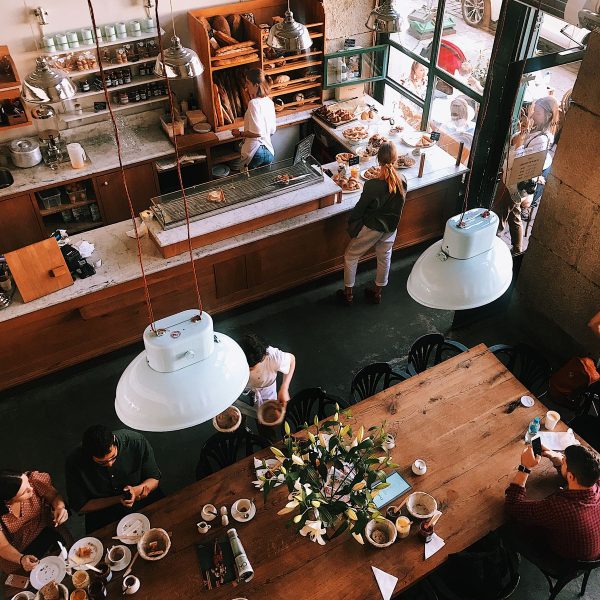
A couple of travellers sit down in a busy Berlin restaurant on a Friday evening and read a menu that was translated word for word from the local original and the dish they wanted most is described in a way that makes it sound like something else entirely. They order carefully and wait and the waiter spends ten minutes explaining what each line really means while other tables begin to run out of patience.
A restaurant menu is a bridge between the kitchen and the guest and that bridge only holds when every dish name and every allergen note is written in words the reader understands at once. A city with visitors and residents from dozens of countries cannot assume that everyone reads the same language well enough to choose a meal with confidence.
Most restaurants treat the menu translation as a task for whoever on the team speaks the most English and so they copy the same text into every language without testing whether a real guest can follow it. The better habit is to ask a native reader to sit down with the menu and to mark every line that makes them hesitate and then to compare those marks with what the kitchen actually serves.
The good news is that a clearer menu does not need a large budget because plain descriptions and consistent dish names and a short review by someone who knows the food solve most of the problems.
This article explains how a restaurant or a hospitality group can prepare menus and guest notes for international visitors and it covers what to translate first and how to handle a few common languages and where to find public guidance about the city and its food. It is general information only and every venue should still follow the official food labelling rules that apply to it.
Start With the Dishes Guests Order Most
The first lines to translate are the ones that guests read before they order such as the daily specials and the signature dishes and the notes about ingredients because an error in these lines has the highest cost at the table. Restaurants that welcome guests from Anatolia and from the large Turkish community in the city often order Turkish translation services for the printed menu so that every guest meets the same description in the language that feels most natural. Turkish translation services work best when the source text uses short plain sentences and avoids kitchen slang that has no direct match.
Many restaurant teams now use generative ai tools to draft first versions of dish descriptions and then ask a native reviewer to check every ingredient and every allergen note before the text reaches the table because a fluent sentence can still hide a wrong detail.
Menu text is checked by a native reader, but the papers behind a restaurant — a work permit, a supplier contract or a health certificate — need a stronger form of proof. A plain translation of those documents will not satisfy an authority that asks for a signed statement or a notary's stamp. Owners who hire staff from abroad can compare the two requirements in a guide to notarized translation versus certified translation, which explains when each form is accepted and what it costs. Getting the right form first avoids a delayed opening and a second fee for the same papers.
Plan Each Language Before the Season Starts
Polish translation services are a sensible choice for a restaurant with guests from Poland because many of them visit Berlin for short city breaks and expect to find the same familiar dish names that they know from home. Polish also changes word endings according to grammar and this means that the name of a dish or a portion size must use the right form or the menu will look careless to a careful reader.
Each language needs its own short checklist that covers dish names and portion sizes and allergen words and abbreviations so that nothing on the menu changes meaning from one language to another and Polish translation services should follow the same list. Arabic translation services follow the same method for guests who read a right to left script while Ukrainian translation services help venues that welcome guests who use a different alphabet and a native reviewer can confirm that every line sounds natural at the table.
Do Not Overlook the Smaller Languages
Many teams treat the Romanian language as a minor request even though a large community of Romanian speakers lives and works across Europe and many of them enjoy eating out and prefer to read the menu in their own tongue. A menu that offers the Romanian language for its first page can reduce the number of questions that reach a waiter during a busy shift. Our look at staying connected abroad shows how travellers use their phones to bridge language gaps and for general background on the city the official visitBerlin website is a useful place to start.
The Romanian language also uses special letters that break in some fonts and in some printed layouts so every dish name and every line of price text should be tested at its final size and checked letter by letter before it goes to print. Arabic translation services and Ukrainian translation services meet similar challenges with their own characters and the Wikipedia article on the menu explains how the structure of a menu has changed over the centuries.
Keep One Glossary for the Whole Group
A short glossary of the terms that appear most often on menus such as starter and main and side and dessert should be written before the next print run so that every translator uses the same word for the same dish. Chefs and managers and the person who trains new waiters can share it so that the message stays consistent in every language.
Reviewing the glossary every season lets the team add the questions that guests actually asked and a reviewer who knows Turkish translation services and the Romanian language can update the list so that the words stay accurate and appetising. Polish translation services and Arabic translation services and Ukrainian translation services can follow the same list and over time it becomes a small asset that the group can reuse whenever it opens a new venue or a new seasonal menu.
A menu that speaks to every guest in a language they understand saves time for the waiters and for the kitchen and that quiet clarity is what turns a first visit into a regular table from one season to the next.