A Food Lover's Guide to International Dining in Berlin
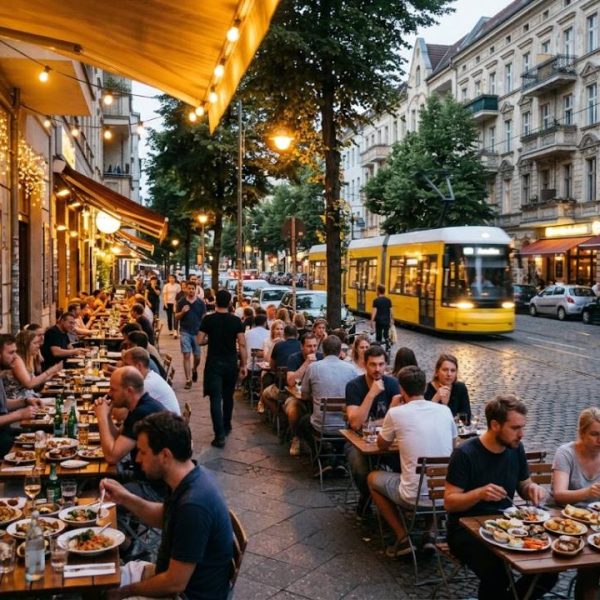
Berlin has never been a city of one cuisine. Long before it became famous for street food markets and Michelin stars, it was a place where people from all over the world arrived, opened small restaurants and cooked the food they missed from home.
Today the German capital is one of the most exciting dining cities in Europe. To eat well in Berlin, you need to forget the idea of "German food" and follow the neighbourhoods instead.
Kreuzberg and Neukölln, Where Turkish Cooking Rules
Berlin's Turkish community has shaped the city's food culture for decades. The doner kebab as many people know it was popularised here, but Turkish cooking in Berlin goes far beyond late-night snacks. Look for family-run lokantas serving slow-cooked stews, grilled lamb, stuffed vegetables and fresh flatbread straight from the oven.
Weekend breakfasts are a highlight. A traditional Turkish breakfast with olives, cheeses, eggs, honey, kaymak and endless tea can easily last two hours.
Lichtenberg and the Vietnamese Kitchen
Thousands of Vietnamese workers came to East Berlin in the 1980s, and their families have built one of the city's best food scenes. Head east for steaming bowls of pho, crisp banh mi, fragrant bun cha and fresh summer rolls. Some of the most authentic spots are hidden inside large Asian wholesale markets, where prices are low and portions generous.
Charlottenburg and Eastern European Comfort Food
The western district of Charlottenburg has long been home to Russian-speaking communities, and more recently to many Ukrainians. Here you will find cosy restaurants serving borscht, pelmeni, varenyky, syrniki and smoked fish, often with live music on weekends.
Many of these restaurants are small family businesses that serve customers in several languages. Owners who want to reach a wider audience often translate menus, websites and delivery app listings. Professional russian translation services help them present dishes accurately to Russian-speaking guests, while a careful english ukrainian translation lets new Ukrainian restaurants explain their regional specialities to international visitors without losing the charm of the original names.
Fine Dining With a Global Accent
Berlin's top restaurants have embraced international influences. Tasting menus might combine Brandenburg vegetables with Japanese techniques, Nordic fermentation or Middle Eastern spices. Several Berlin restaurants hold Michelin stars, and many younger chefs run small, ambitious places with only a handful of tables.
Booking ahead is essential, especially on weekends. Many of these restaurants publish their menus in German and English, and the quality of that English version says a lot about how seriously they welcome international guests.
Menus, Allergens and Getting the Details Right
For visitors, reading a German menu can be tricky. Words like Schweinshaxe, Spätzle or Königsberger Klopse rarely appear in phrasebooks. For restaurants, a good translation is more than a courtesy. German law requires clear allergen information, and errors can cause real harm to guests with allergies.
Restaurant groups, hotels and food producers in Berlin increasingly use german translation services for menus, allergen lists and marketing material, so that international guests understand exactly what they are ordering.
Street Food Markets
If you want to taste many cuisines in one evening, visit one of Berlin's street food markets. Indoor market halls host weekly food events where you can try Korean fried chicken, Peruvian ceviche, Georgian khachapuri and German craft beer within a few steps. These markets are also where many successful restaurants first tested their concepts.
Classic Berlin Dishes Worth Trying
While exploring the international scene, do not skip the local classics:
- Currywurst, ideally from a long-standing street stand.
- Eisbein with sauerkraut and pease pudding.
- Buletten, Berlin's version of meatballs.
- Berliner Pfannkuchen, the jam-filled doughnut.
- Kartoffelsuppe on a cold winter day.
Practical Tips for Eating Out
Berlin is relaxed, but a few habits help. Many smaller restaurants still prefer cash, although cards are increasingly accepted. Tipping around ten percent is normal for good service. Lunch menus, called Mittagstisch, offer excellent value on weekdays. And on Sundays, some neighbourhoods are quieter, so check opening hours.
The official city portal visitBerlin lists seasonal food festivals, markets and events, which are a great way to discover new places.
Vegetarian and Vegan Paradise
Berlin is often called the vegan capital of Europe. You will find fully plant-based bakeries, burger joints, fine dining menus and even vegan doner kebab. Most international restaurants also offer vegetarian options, making the city easy for every diet.
Middle Eastern Flavours on Sonnenallee
Neukölln's Sonnenallee has earned the nickname "Arab Street" thanks to its many Lebanese, Syrian and Palestinian bakeries, grills and sweet shops. Try freshly baked manakish with za'atar, crispy falafel wrapped in warm bread, shawarma carved from the spit and pistachio-packed baklava for dessert. Prices are friendly and the atmosphere is buzzing late into the evening, which makes this street a favourite for students and food writers alike.
Follow Your Curiosity
The best meals in Berlin are often found by accident: a tiny Syrian bakery, a Sudanese family kitchen, a Polish pierogi bar in a backyard. Walk, look, smell and ask locals for their favourites. In Berlin, every neighbourhood is a passport, and every meal is a small journey.